
Industrial Stormwater Compliance Manager™
Develop and implement effective stormwater pollution prevention plans (SWPPPs), manage NPDES permit compliance, and confidently prepare for inspections under this strictly enforced regulatory program.
Learn about discounted rates here.



TRUSTED BY:















Upcoming Course Dates
The Industrial Stormwater Compliance Manager™ course is offered most often in our Annapolis (MD) training facility and online via live virtual attendance. All sessions run two days and the course fee is $1,115, with discounts available for early registration, groups of three or more, government employees, students, and veterans. Corporate partnership discounts are also available.
Browse upcoming dates below and register early—early bird pricing and seats are limited.


November 17-18, 2026
Course Description
Stormwater discharges from certain industrial activities are subject to environmental permitting requirements. The success of your facility’s regulatory compliance depends on understanding permitting requirements and options, how to develop, review, or improve a SWPPP, and effective implementation techniques. Most SWPPPs are prepared and implemented at a facility level without initial permitting authority review, so the first agency evaluation of a facility’s stormwater compliance program often occurs during regulatory enforcement inspections.
Facilities subject to stormwater discharge permitting under the National Pollutant Discharge Elimination System (NPDES) must obtain the appropriate permit, develop SWPPPs, and effectively implement a compliance program. Because facilities differ in site configurations, potential pollution sources, receiving water type, and opportunities to control exposure, stormwater regulations are intentionally flexible—but that flexibility also presents risks of errors, missed opportunities, and compliance deficiencies.
Redeveloped for 2026, this course focuses on permit and SWPPP requirements common to all states. Federal requirements and state-level permits are addressed based on applicability and attendee interest. Class exercises include evaluations of facility SWPPPs, and students are encouraged to bring their own plans and permits for in-class review.
Topics Covered
The Industrial Stormwater Compliance Manager™ course covers the full range of stormwater permitting, SWPPP development, monitoring and sampling requirements, BMP selection, and compliance strategies in focused training modules.
- Water Quality Standards and Stormwater Discharge Permitting
- Industrial Stormwater Discharges
- No Exposure Exclusions and Certification Form
- Individual and General Industrial Stormwater Permits
- Multi-Sector General Permits
- Monitoring and Sampling Requirements and Strategies
- Collecting Samples and Potential Challenges
- Stormwater Pollution Prevention Plan (SWPPP)
- Identification of Potential Pollutant Sources
- Selecting Control Measures and Best Management Practices
- Inspections Under SWPPPs
- SWPPP Recordkeeping
- BMP Inspection Tips
- Conditions Requiring SWPPP Modification
- Annual Reporting
- Discharge Monitoring Reports
- Common Compliance Deficiencies
- Enforcement Trends
You Will Receive
Every participant leaves the Industrial Stormwater Compliance Manager™ course prepared to develop SWPPPs, manage stormwater discharge compliance, and prepare for agency inspections. Course binder and handout materials are useful references for your continued use, and you will have the presenter’s contact information for any future questions.

Printed Materials
Binder of presentation materials for later reference

Reference Materials
Electronic copies of key reference materials

Notes
Your notes from class discussions
Printed Certificate
Certificate of accomplishment to display and share
Presenters
All Aarcher Institute presenters are exclusive and present Aarcher Institute proprietary course content.
The Industrial Stormwater Compliance Manager™ course is presented by presenters with extensive hands-on experience in stormwater permitting, SWPPP plan development, compliance auditing, and facility environmental management. The Aarcher Institute adheres to strict presenter selection and approval procedures, choosing only highly qualified, practicing EHS professionals and compliance experts based on their regulatory knowledge, relevant perspectives, practical experience, professionalism, and demonstrated training ability.
Sarah Campbell
PMP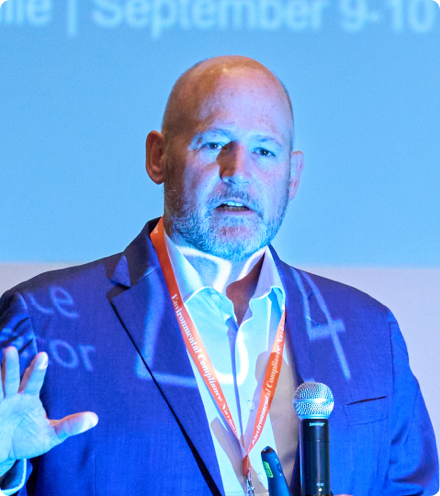
Craig Schwarze
CHMM, CPEA, CIT
Bill Decker
PE


Have Questions?
If you are looking to organize a private course session for your organization, or would like more details on an upcoming course, please reach out to us below.